
Biomagnetism and Immune Support: The Current Science
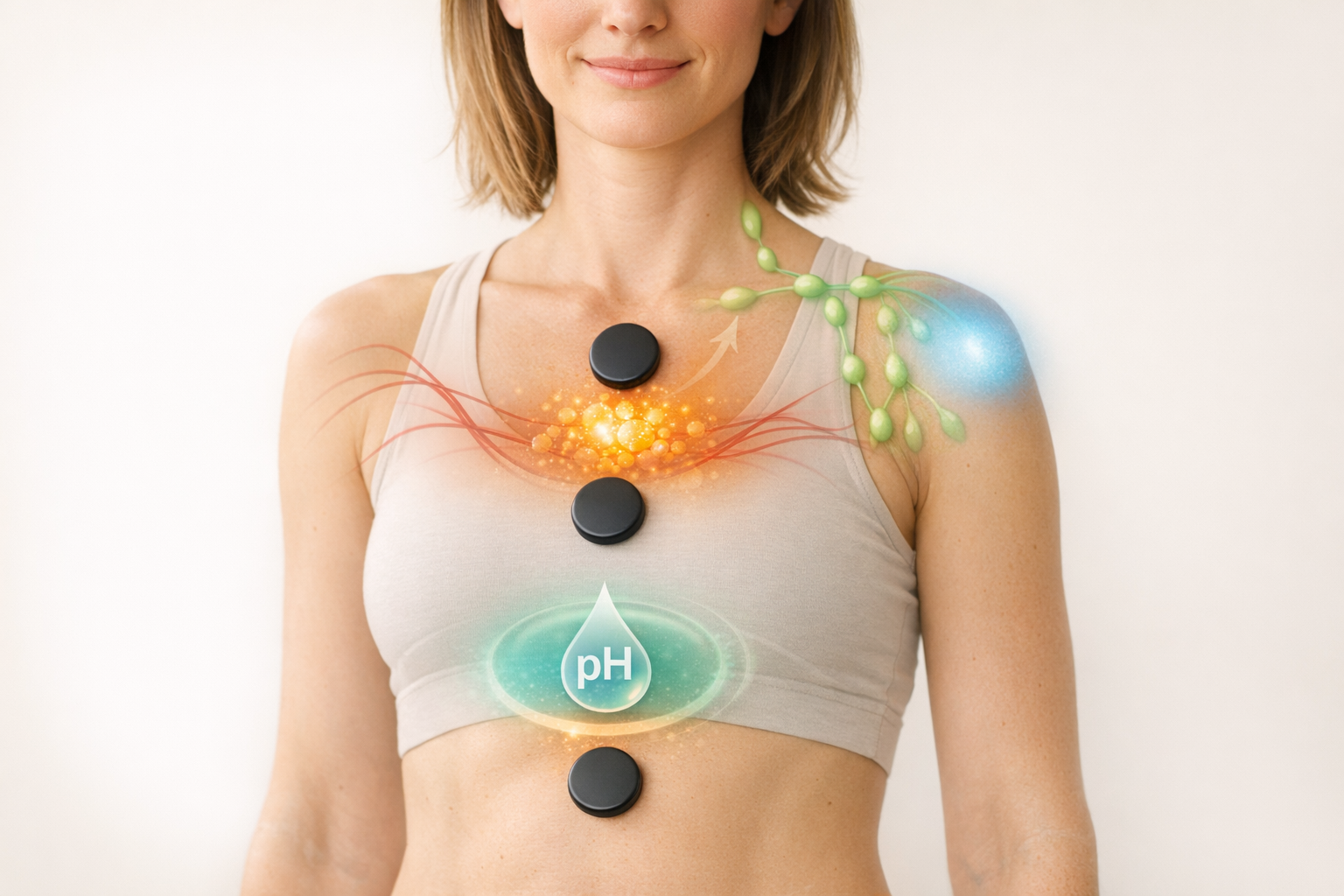
The immune system does not operate in isolation. It responds continuously to stress, inflammation, and the overall internal environment of the body. Because of this, interest in therapies that may support balance at a physiological level, including biomagnetism, has continued to grow.
Biomagnetism is often explored as part of a broader wellness approach, particularly by individuals seeking complementary ways to support how their body regulates stress and recovery. While research is still developing, there are areas of established science that help explain why this type of therapy continues to be studied and used in wellness settings.
The Body Responds to Magnetic Fields
Magnetic fields are not foreign to the body. Biological systems naturally respond to electromagnetic activity, and this interaction has been the subject of scientific research for decades. Studies have shown that magnetic fields can influence cellular signaling, ion movement, and other biological processes, as explored in research on magnetic field interactions with living systems.
These findings do not confirm biomagnetism as a clinical treatment, but they do establish an important foundation. They demonstrate that external magnetic fields can interact with the body in measurable ways, which is part of the reason biomagnetism continues to be explored as a potential wellness modality.
Regulation and Internal Balance
The body is constantly working to maintain internal balance, particularly in areas such as inflammation, fluid regulation, and cellular environments. This process of regulation is central to overall health and directly influences how the body responds to stress and environmental demands.
Biomagnetism is often associated with theories around restoring balance within the body. While specific claims, such as targeted pH balancing, are still debated and not strongly supported by clinical evidence, the broader idea of supporting internal regulation aligns with well-established biological principles. Research into magnetic field exposure suggests it may influence regulatory systems at a cellular level, although the translation of these effects into clinical outcomes remains an area of ongoing study.
The Stress–Immune Connection
One of the most clearly established relationships in health science is the connection between stress and immune function. Chronic stress has been shown to alter immune responses, increase inflammation, and affect the body’s ability to maintain balance over time. This relationship is well documented in research on stress and immune system regulation.
Because of this, therapies that promote relaxation can play an important role in supporting overall health. Biomagnetism sessions are often described as calming and restorative, and this experience may help the body shift out of a stress-dominant state into a more regulated one. While this does not represent a direct immune intervention, it reflects an indirect pathway through which wellness practices can influence how the body functions.
Emerging Interest in Biofield-Based Therapies
Biomagnetism exists within a broader category of biofield and electromagnetic-based therapies that are receiving increasing attention in research. Scientists continue to explore how subtle physical forces interact with biological systems, particularly at the cellular and tissue levels.
Although much of this research is still in early stages, it reflects a growing recognition that the body is responsive to a wide range of environmental and physical inputs. This area of study is complex and evolving, but it helps explain why therapies like biomagnetism remain of interest within both scientific and wellness communities.
A Grounded Perspective
Biomagnetism is best understood as an emerging wellness approach supported by early-stage scientific principles rather than definitive clinical outcomes. There is evidence that magnetic fields can influence biological systems, and there is strong evidence that stress reduction supports immune function and overall well-being.
At the same time, there is currently limited direct clinical evidence linking biomagnetism to measurable changes in immune system performance. This distinction is important, as it allows the practice to be understood within a realistic and grounded framework.
The Bottom Line
Biomagnetism is rooted in real interactions between magnetic fields and the body, and it is often experienced as a deeply relaxing and supportive practice. While its full clinical potential is still being studied, it may contribute to relaxation, nervous system regulation, and a greater sense of balance.
These factors play a meaningful role in how the body functions over time, including how it responds to stress and supports overall health. When approached as part of a broader wellness strategy, biomagnetism can be understood as a complementary practice that supports the body indirectly rather than a standalone medical solution.
Ready to Support Your Body in a More Holistic Way?
At Rebalance Massage Clinic, we focus on wellness services that help your body regulate stress, release tension, and function more effectively over time.
Whether you are exploring complementary therapies or looking for hands-on support, we are here to help.
🌐 https://www.rmclinics.com/
📞 732-422-6364
